Loading...
Serving Mount Pleasant, NY and surrounding areas. (845) 286-8783
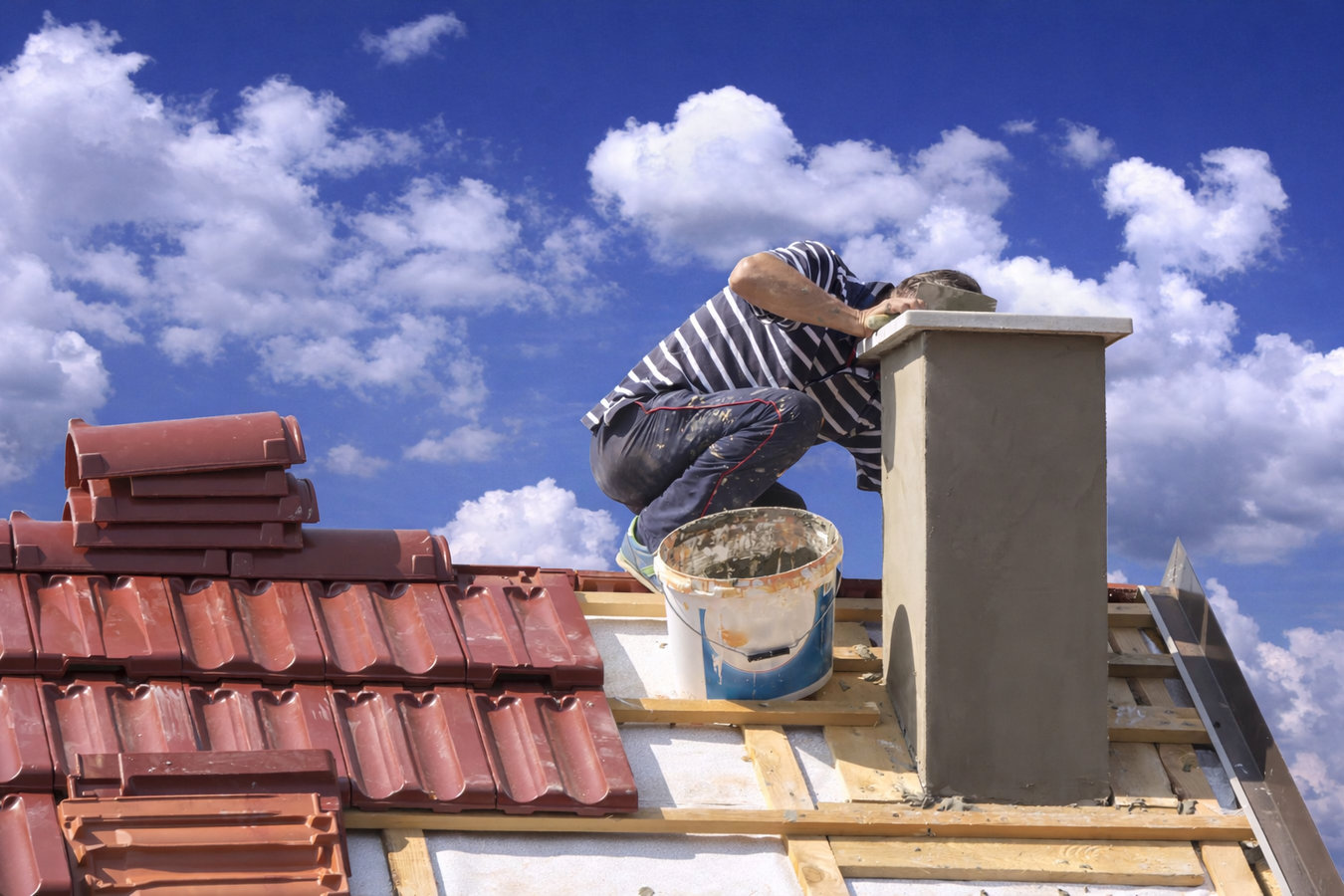
Crumbling mortar, white staining, or debris showing up in your firebox are signs your chimney needs work now - not next fall when every contractor in Westchester is booked.
Chimney repair in Mount Pleasant, NY covers everything from replacing crumbling mortar to relining a damaged flue - most tuckpointing and cap jobs are done in one to two days, while liner replacement or partial rebuilds take three to five days. The goal is to seal your chimney against water and fire hazards before they become structural problems.
A chimney is a system, not just bricks - the liner inside, the cap on top, the flashing at the roofline, and the mortar joints all have to work together. When one part fails, it tends to accelerate the others. Many older homes in Mount Pleasant were built with softer mortar formulas that absorb water more readily than modern materials, meaning chimney maintenance here needs to happen on a shorter cycle than in milder climates. If your chimney work reveals broader masonry deterioration on the firebox or surrounding structure, our tuckpointing service addresses the mortar joints throughout your home's exterior masonry, not just the chimney itself.
White, chalky streaks or patches on the chimney exterior are mineral deposits left when water moves through masonry and evaporates. In Mount Pleasant's wet winters, this staining is common - and it almost always means water is entering somewhere it should not. Left alone, it leads to deeper brick damage and eventual structural problems.
If the joints between bricks look sunken, cracked, or if small pieces fall away when touched, the mortar needs to be repointed. This is especially common on Mount Pleasant homes built before 1970, where the original mortar has reached the end of its lifespan after decades of Westchester winters.
Rust on metal parts inside the fireplace is a clear sign water is getting into the chimney - through a damaged cap, cracked crown, or failed flashing. Water inside a chimney is never normal, and rust is one of the earliest warning signs you can spot yourself before the damage goes deeper.
Small chunks of reddish-brown material in the bottom of your fireplace are likely pieces of the clay liner inside the flue. A deteriorating liner is a safety issue - it needs professional attention before you use the fireplace again, because combustion gases can seep into your living space through liner cracks.
The most common chimney repair homeowners in Mount Pleasant need is tuckpointing - removing deteriorated mortar from between the bricks and packing in fresh material that is shaped to shed water cleanly. On mid-century homes, this is often overdue after decades of Westchester freeze-thaw cycles. We also handle cap and crown repair or replacement, which are the least expensive parts of a chimney to maintain and the ones that prevent the most expensive water damage when they are working correctly. Our tuckpointing work is matched to the original mortar color and tooled smooth so the joints look right and shed water the way they should.
For chimneys with more serious damage, we do partial and full rebuilds above the roofline, flashing repair and replacement, and chimney liner installation. The liner is the part most homeowners never think about - it is the channel inside the flue that carries combustion gases safely out of the house. When it cracks or deteriorates, those gases can enter the living space. Liner jobs typically involve installing a stainless steel flexible liner that fits inside the existing flue and meets current safety standards. We also handle full fireplace installation when a homeowner wants to add a new firebox or convert to a different fuel type as part of a larger chimney project.
Chimneys with deteriorated, sunken, or crumbling mortar joints between bricks.
Chimneys where the top seals are cracked, missing, or showing signs of water intrusion.
Chimneys with cracked clay tile liners or homes upgrading to a new fuel type.
Chimneys where the metal seal at the roofline is lifting, cracking, or pulling away.
Chimneys where structural deterioration above the roofline has gone beyond what repointing can address.
Homeowners adding a new fireplace or converting an existing masonry opening to a different system.
Mount Pleasant winters bring repeated freeze-thaw cycles from roughly November through March. Every time water gets into a small mortar crack and freezes, it expands and widens that crack. Homeowners here tend to see mortar deterioration faster than homeowners in milder climates, which is why chimney maintenance needs to happen on a shorter cycle - not every 30 years, but closer to every 10 to 15. The housing stock adds to this: much of Mount Pleasant was built between the 1920s and 1960s, particularly in neighborhoods like Valhalla and Hawthorne, and chimneys on homes that age were built with softer mortar formulas that are more vulnerable to water damage under Westchester conditions. Homeowners throughout Tarrytown face the same older-housing challenges and call us regularly for chimney work.
Mount Pleasant is also heavily wooded, and the mature tree canopy means chimneys are constantly exposed to debris, moisture, and the weight of wet leaves sitting against flashing and caps. Checking chimney caps and flashing every fall is the single lowest-cost maintenance step a homeowner can take - and it is the first place we look during any inspection. Scheduling in late spring or summer means better contractor availability and shorter wait times for permits before the fall rush, when Westchester contractors book up fast in September. Homeowners in Sleepy Hollow face similar fall demand spikes and benefit from early scheduling. The Chimney Safety Institute of America recommends annual chimney inspections, and their homeowner resources explain exactly what to look for between professional visits.
We respond within 1 business day. A few quick questions - how old is your home, when was the chimney last looked at, and what prompted you to call - helps us arrive with the right equipment and a realistic sense of what to expect.
We check the chimney from the outside first - bricks, mortar joints, cap, crown, and flashing. Then we look inside at the firebox and, if needed, use a camera to inspect the liner. A thorough assessment takes 45 to 60 minutes and we walk you through what we found before we leave.
You receive a written estimate that breaks down what is needed and what each part costs. For structural work or liner replacement in Mount Pleasant, we discuss the permit process with you - we handle the filing and let you know if the permit timeline adds a week or two before work can begin.
Most chimney repairs take one to two days. We lay drop cloths, clean up before we leave, and walk you through the completed work. If fresh mortar is part of the job, wait 24 to 48 hours before using the fireplace. If a permit was pulled, we coordinate the town inspection.
We respond within 1 business day - no obligation to proceed. After you submit, someone from our office will call to schedule a free on-site estimate at a time that works for you.
(845) 286-8783Structural chimney work and liner replacement require permits from the Town of Mount Pleasant Building Department. We handle the application, coordinate the inspection, and provide you with documentation - which protects you at resale and shows buyers the job was done by the book.
Sloppy chimney work is visible - mismatched mortar color, gaps, or material smeared across the brick face. We match the mortar to the original and tool the joints to shed water correctly, so the repair looks right and performs the way it should for years.
Homes built before 1970 in Mount Pleasant use softer mortar formulas and clay tile liners that behave differently from modern construction. We recognize what we are looking at on older homes and repair to those standards, not to a one-size-fits-all spec.
A cracked liner can allow carbon monoxide to enter your living space - this is the reason the National Fire Protection Association recommends annual chimney inspections. Every liner job we do is inspected and confirmed sound before the fireplace is returned to use.
Permitted work, material matching, and proper liner inspection are not extras - they are the baseline for chimney repair that holds through Westchester winters and does not create problems when you sell. The National Fire Protection Association chimney safety resources explain why annual inspection and proper liner condition are the most important factors in chimney safety.
When chimney mortar needs repointing, the rest of your home's brick exterior often does too - tuckpointing addresses all mortar joints, not just the chimney.
Learn MoreAdding a new firebox or converting an existing masonry opening to a gas insert is often paired with chimney relining for a complete, code-compliant system.
Learn MoreA small crack in the mortar today can become a $3,000 rebuild after one more winter. Call now for a free on-site assessment in Mount Pleasant, NY.