Loading...
Serving Mount Pleasant, NY and surrounding areas. (845) 286-8783
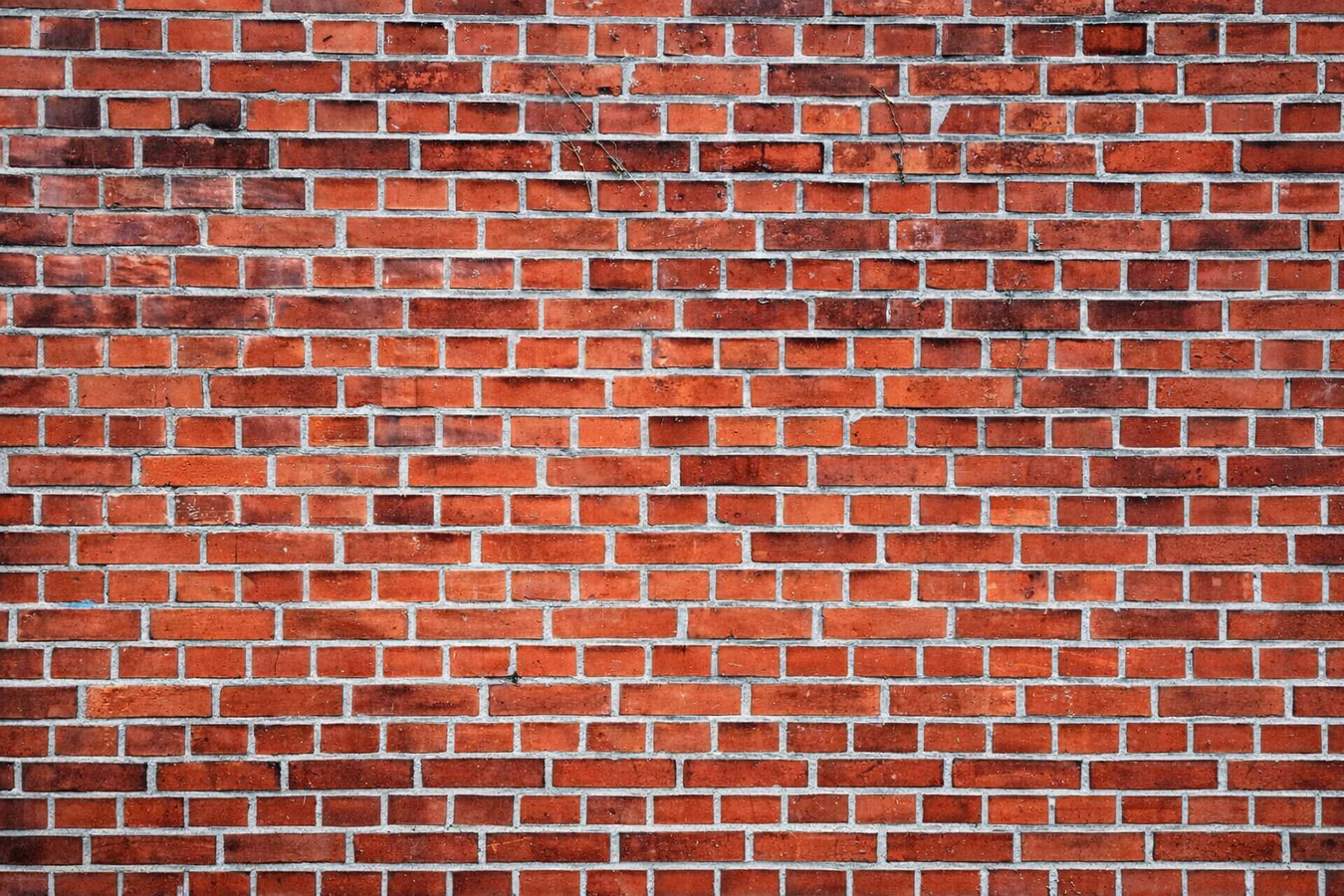
Crumbling mortar joints are the most common way water gets into a brick wall - and every Westchester winter makes it worse. Get pointing work done before the damage follows the water inside.
Brick pointing in Mount Pleasant, NY means removing deteriorated mortar from the joints between bricks and packing in fresh mortar - most chimney repairs take one day, while a full house facade or large retaining wall runs several days to a week.
Those mortar joints do a quiet but critical job: they stop water from getting behind the brick and into your home's structure. When they fail, water finds its way in. In Mount Pleasant, that means moisture sitting in the wall all winter, freezing and expanding through every freeze-thaw cycle, widening gaps that were once small and manageable into real structural problems. Catching deteriorating mortar early is one of the most cost-effective things a homeowner can do - the repair is straightforward, and it prevents the far more expensive damage that follows once water is inside.
If the mortar joints on your home are still mostly solid but you are seeing cracked or spalled brick, our tuckpointing service may be the better fit. We can assess both during a site visit and recommend the right approach for your wall.
Walk up to a brick wall, chimney, or retaining wall and press your finger against a mortar joint. If it flakes, crumbles, or feels sandy and loose, the mortar has broken down. This is the clearest sign that pointing is overdue - the joint is no longer doing its job of keeping water out.
Look at the lines between your bricks from a few feet away. If you can see gaps, holes, or places where mortar has pulled away from the brick edge, water is already getting in. In Mount Pleasant's wet winters, even a small gap can let in enough moisture to cause significant damage by spring.
A chalky white residue on your brick - called efflorescence - is a sign that water is moving through the wall and carrying mineral salts to the surface as it evaporates. If you are seeing this after a wet Westchester winter or spring, it is worth having a mason assess the joints as the most common entry point.
After a hard Westchester winter, look for cracks that travel diagonally from joint to joint in a stair-step pattern. This is a classic sign of freeze-thaw damage working through deteriorated mortar. Catching it in spring gives you the full warm season to get it repaired before the next winter makes it worse.
We handle brick pointing across all residential applications - chimney repointing, exterior wall joints, brick retaining walls, and decorative facades. One of the most common calls we receive involves chimneys on older Mount Pleasant homes: the mortar cap and upper joints fail first because they take the most weather exposure, and by the time homeowners notice dark staining or streaking near the top, water has usually been finding its way in for more than one season. Chimney pointing is a contained, predictable repair, and it is almost always far less expensive than the water damage that follows if it is ignored.
For homes with broader mortar deterioration across the full exterior, we combine pointing with foundation repair assessment where the damage extends to the base of the wall, and with tuckpointing where the visible brick faces also need attention. The right scope depends on what we find when we walk the wall with you - we never recommend more than what the wall actually needs.
Best for homeowners whose chimney joints show visible gaps, dark staining, or crumbling mortar - typically a one-day repair that seals the chimney before winter.
For brick facades where mortar has deteriorated across a broad area - common on the 1920s through 1950s homes throughout Thornwood, Hawthorne, and Pleasantville.
Pointing on brick or stone retaining walls where failed joints are allowing water to work behind the wall and build pressure against the structure.
Targeted repair for homeowners who have a limited area of deteriorated mortar and want to address it before it spreads - faster and less expensive than a full repoint.
For older Mount Pleasant homes where lime-based mortar must be matched in both composition and color - critical to avoid damaging soft historic brick.
We clean mortar debris from surrounding surfaces and give you specific instructions on what to avoid during the curing period so the new joints set properly.
Mount Pleasant sits in Westchester County, where winters bring repeated freeze-thaw cycles that are hard on masonry. But what makes brick pointing in this area genuinely complicated is the age of the housing stock. A significant share of homes in Pleasantville, Hawthorne, and Valhalla were built between the 1890s and the 1950s, when brick was laid with a softer, lime-based mortar that was designed to flex with the building over time. Using a modern, hard cement mortar on one of these homes does not just look wrong - it can actually crack the brick itself, because the new mortar is stiffer than the brick and transfers all movement stress directly into the masonry. That repair costs far more than the original pointing job would have. The National Park Service Preservation Briefs publish widely respected guidance on exactly this issue - it is the standard reference for proper mortar selection on older homes.
Homeowners in Ossining, NY and Sleepy Hollow, NY face the same combination of older housing stock and tough winters, and we bring the same attention to mortar matching and joint preparation to every job in those areas. For any home in a historic district or neighborhood with architectural review requirements, we confirm with the Town of Mount Pleasant Building Department whether approval is needed before work begins - and we handle that inquiry on your behalf.
Reach out by phone or submit a request and we will get back to you within one business day. We will ask a few quick questions about the wall and schedule a time to see it in person - a phone quote for pointing is almost always inaccurate because mortar condition varies across a wall.
We walk the full wall with you - not just the obvious problem areas - and explain what we are seeing in plain terms. A written quote follows with a breakdown of scope and pricing. The number you approve is the number on the invoice.
We remove old mortar to a consistent depth, then pack in fresh mortar in stages across the wall. Expect some noise during the removal phase, especially if a grinder is used. We lay drop cloths to catch debris and clean up at the end of each workday.
When the job is done, walk the wall with us and look at the finished joints together - they should be clean, consistent, and free of mortar smeared across the brick faces. Fresh mortar takes several days to a week to reach full strength. We tell you exactly what to avoid during that window.
Free on-site assessment. Written quote before any work begins. No pressure.
(845) 286-8783On older Mount Pleasant homes, we always assess the existing mortar before choosing a replacement mix. Using a mortar that is too hard for your brick type causes cracking in the brick itself - a far more expensive problem than the original repair. We match both composition and color so the repair lasts and blends in.
Deterioration is often more widespread than it looks from the ground. We check the full wall, including upper sections that require a ladder or scaffolding, so you are not paying for a partial repair that leaves the real problem in place. What we find is what we quote - nothing more, nothing less.
New York State requires home improvement contractors to register and carry insurance. We are registered with the Westchester County Department of Consumer Protection and carry general liability and workers compensation coverage on every job - you never have to take our word for it, we can provide certificates on request.
One of the most common frustrations homeowners have with masonry work is a price that grows once the job is underway. We walk the full wall before we quote, explain exactly what needs to be done and why, and give you a written price that stays fixed unless you ask us to do something different. No surprises after the first day.
Brick pointing is straightforward work when it is done right - the right mortar, packed properly, finished cleanly. When it is done wrong, the consequences show up in the brick itself or in water damage inside the wall. We have been doing it right for homeowners across Mount Pleasant and Westchester County since 2023.
When water entry through deteriorated joints has reached the foundation, we assess and stabilize the structure to stop the damage from spreading further.
Learn MoreWhere mortar joints have failed and the brick faces also need attention, tuckpointing addresses both in a single pass across the wall.
Learn MoreMortar that is failing now will be worse by April - contact us today and we will get the assessment scheduled while you still have time to act before winter.